
Ajman Travel Guide
Ajman: The Quaint Jewel of the Emirates

Cultural Highlights of Ajman: Exploring the Capital's Treasures
Preserving Heritage: A Glimpse into Ajman's Rich History
Ajman Travel Guide
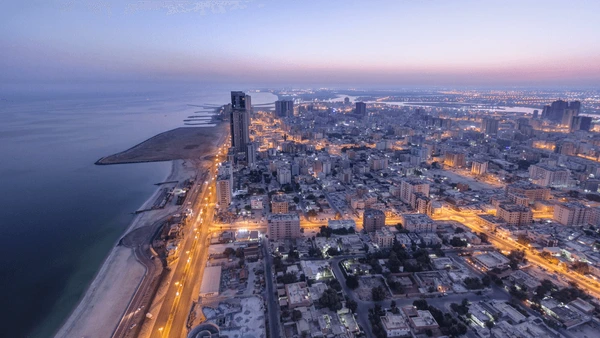
Ajman may be small and quieter compared to its bustling neighbors, Dubai and Abu Dhabi, but it has much to offer tourists seeking a unique experience.
One of the main attractions is the Ajman National Museum, housed in a historic fort that once served as a stronghold for the emirate’s rulers. This fort was not only a defensive structure but also a royal palace until 1970. The museum showcases traditional professions, customs, and various archaeological artifacts, including ancient weapons, manuscripts, and insights into historical medicine and religious practices.
Built in the late 18th century, Ajman Fort is a striking example of local architecture, constructed with coral stones and gypsum, featuring a ceiling made from special tree trunks imported from East Africa. Its large gates, adorned with honey-colored sandstones, boast a magnificent arch that enhances its beauty, making it one of Ajman’s most picturesque citadels.
The Sheikh Zayed Ajman Mosque stands as a prominent religious site, notable for its impressive architecture. Commissioned by the late Sheikh Rashid bin Humaid Al Nuaimi and built by his son, the current ruler, Humaid bin Rashid Al Nuaimi, the mosque is a major landmark in Ajman City.
Another highlight for visitors is the Dhow Yard, where they can witness the traditional craftsmanship of boat building. This site is not limited to traditional dhows; modern speedboats are also constructed here, primarily for competition in the Dubai Speed Boat Races. The Ajman Dhow Yard is recognized as the world’s largest boat building yard and the biggest center for dhow construction.
Shopping is a popular pastime in Ajman, offering a diverse range of experiences. Visitors can explore modern malls featuring designer and luxury items, which provide a wide selection of commodities typically found in larger shopping centers throughout the UAE. Additionally, traditional shops showcase local products, allowing shoppers to discover unique items that reflect the rich culture and heritage of the emirate.
Ajman lacks a public transportation system, so the primary modes of getting around are local taxis or rental cars. Taxis are readily available 24/7 and are the most common form of transport in the emirate. However, it’s important to note that Ajman taxis do not use meters, so passengers should negotiate the fare before starting their journey.
Ajman offers a diverse culinary scene, featuring everything from Western fast food outlets to upscale restaurants, traditional cafés, and street vendors. While Ajman is a Muslim emirate, it follows the norms of the UAE, allowing alcohol to be purchased in hotels and restaurants.