
Fujairah Travel Guide
Fujairah Natural Beauty
A Global Marvel Blending Futuristic Ambition with Ancient Charm
Top Things to Do in Fujairah
Fujairah Heritage Village offers a glimpse into the traditional lifestyle of Emirati residents, showcasing authentic houses, farming tools, cooking utensils, and the Al Yazrah irrigation system, which uses a working bull to irrigate fields. This village provides visitors with a unique insight into the past, and it’s conveniently located next to Fujairah Fort, allowing for a combined visit to both attractions.
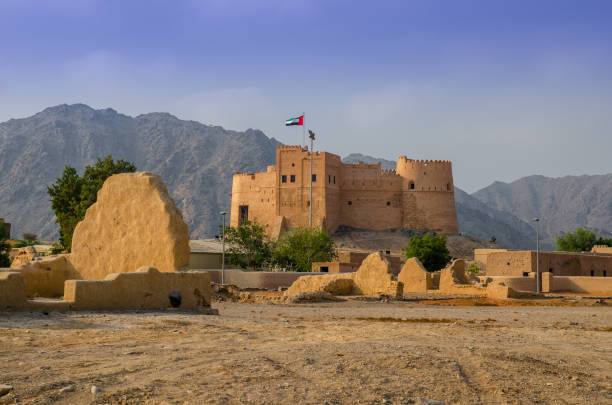
Constructed in 1670, Fujairah Fort is the oldest fort in the UAE. This mud-brick structure, featuring three main sections, once served as both a defensive stronghold and the residence of the ruling family during its heyday. Although it suffered significant damage in the early 20th century, it has since been renovated and now stands as the only stone building along the Fujairah coast.
The Fujairah Museum takes visitors on a journey through 300 years of colorful history, displaying artifacts uncovered during archaeological digs at Bitnah and Qidfa. These artifacts include steel, brass, bronze, silver, and gold items, along with painted pottery, ancient weapons, various swords, pre-Islamic coins, exquisite silver jewelry, herbs, and folk medicine. Among the unique exhibits is a 2,200-year-old ostrich egg that was used as a bowl.
Bull butting, a sport that originated in 16th and 17th century Portugal, is a prominent event in Fujairah. Every Friday, tourists and locals gather in an open field to witness the exciting battles between bulls.
Nestled in the foothills of the Hajar Mountains, the Ain Al Madhab Gardens is a popular destination for relaxation. This area features mineral springs that feed a natural spa, where visitors can swim in warm sulfuric pools. The gardens also include an outdoor theater, ruins of an old fort, and a heritage village.
The village of Masafi, located on the edge of the Hajar Mountains near Fujairah, is renowned for its natural springs and is the Gulf’s leading producer of natural mineral water. The village is divided into two parts: a larger section belonging to Fujairah and a smaller one to Ras Al Khaimah. Approximately 30 km before reaching Fujairah, travelers will pass through Masafi’s famous Friday Market (Souq al Juma).
Wadis, meaning “oasis” in Arabic, are dry riverbeds that collect water during heavy rainfall. Fujairah is famous for its picturesque wadis, set against stunning mountain backdrops. Wadi Ham, the largest and longest, is located in the Masafi area, and some wadis even feature scenic waterfalls.
Fujairah offers a diverse shopping experience to satisfy any tourist’s desires. From bustling street markets to expansive shopping centers like the Fujairah Night Souk, there’s a wide range of options available. One of the highlights of shopping in Fujairah—and throughout the Emirates—is the opportunity to haggle and bargain, making for an exciting and interactive retail experience.
Fujairah is conveniently located just a two-hour drive from Dubai, making it easily accessible. The Fujairah International Airport provides air travel options, while well-maintained highways facilitate car travel. For those preferring public transport, a budget-friendly and reliable bus service connects Fujairah to Dubai and nearby areas, with separate seating for men and women. Taxis are also readily available for getting to Fujairah or navigating within the region. However, walking around the city can be challenging due to limited pedestrian facilities
Fujairah is the perfect destination for indulging in exceptional Arabic and Indian cuisine. With a diverse array of dining options, from large restaurants to cozy cafes and street vendors, there’s something for every palate. The bustling nighttime souk market features numerous eateries alongside the vibrant selling booths, offering a unique dining experience. For those who prefer familiar flavors, Fujairah also boasts several Western fast-food chains, ensuring a variety of choices for all visitors.